Are you looking for an intown neighborhood that feels shaped by green space instead of simply bordered by it? Ansley Park stands out because daily life here tends to move with the parks, the winding streets, and the easy access to Midtown. If you want to understand how homes and lifestyle connect in this historic Atlanta neighborhood, this guide will walk you through the setting, the housing, and the everyday rhythm that makes Ansley Park distinct. Let’s dive in.
Ansley Park Feels Built Around Green Space
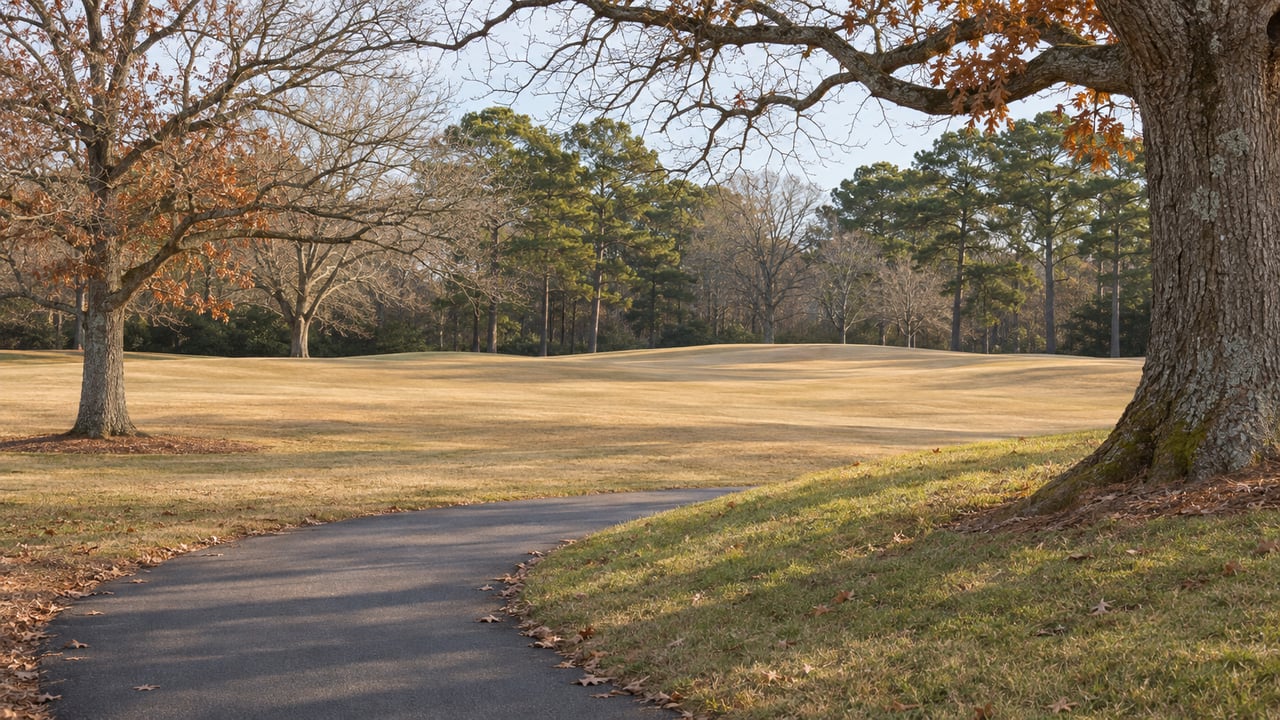
Ansley Park was first developed in 1904, and its layout still defines the experience of living here today. Unlike a typical grid, the streets follow the land, with wide, curving roads and green spaces woven through the neighborhood.
That design matters in a practical way. National Register documentation notes that parks were placed on hilltops and other steep areas, and that most homes are within about a five- to ten-minute walk of green space. In other words, the neighborhood reads as park-centered, not just park-adjacent.
The setting also places Ansley Park between Midtown’s Peachtree corridor and Piedmont Park. You get a residential environment with historic character, but you remain close to the cultural and commercial core of intown Atlanta.
Daily Life Often Starts Outside
One of the clearest lifestyle advantages in Ansley Park is how naturally walking fits into the day. The neighborhood’s internal greenspaces, landscaped streets, and nearby major park access create a routine that often begins and ends outdoors.
Piedmont Park is a major part of that pattern. It spans more than 200 acres and is open daily from 6 a.m. to 11 p.m., with trails, dog parks, tennis courts, and a pool. For many buyers, that supports the kind of rhythm that includes morning walks, midday fresh air, and evening exercise without needing to drive far.
Community stewardship also plays a visible role. The Ansley Park Civic Association’s greenspace work includes neighborhood islands, parks, and playgrounds, which helps explain why the landscape feels cared for rather than incidental.
Piedmont Park Expands the Neighborhood
Living in Ansley Park often means Piedmont Park feels like part of your extended backyard. Its scale and amenities broaden what everyday life can look like, whether you prefer a quiet walk, a more active workout, or a short outdoor reset between meetings.
Just as important, the park gives the neighborhood breathing room. That extra green edge softens the transition between historic homes and the energy of Midtown.
The BeltLine Adds More Movement
The Atlanta BeltLine’s Northeast Trail adds another layer to the daily rhythm. The open segment runs from Peachtree Creek north of I-85 to Monroe Drive at Piedmont Park, with access points that include Piedmont Park North Woods, Westminster Drive, Piedmont Avenue, Ansley Mall, Montgomery Ferry Road, and Mayson Street.
For residents, that means another option for walking and connecting into the city. It also extends access to restaurants, shops, and markets tied to the trail network, making spontaneous outings easier to fold into an ordinary day.
Midtown Convenience Is Part of the Appeal
Ansley Park offers a rare balance. You can live among historic homes and mature landscaping while staying close to one of Atlanta’s most active cultural districts.
Midtown has more than 150 restaurants, according to Midtown Alliance, and it also has one of the strongest arts concentrations in the Southeast. That includes 25 arts and cultural venues, more than 30 permanent performing arts groups, and 22 entertainment facilities.
The Woodruff Arts Center is one of the best-known anchors nearby, housing the Alliance Theatre, Atlanta Symphony Orchestra, and High Museum of Art. The High Museum on Peachtree Street NE holds more than 13,000 works in its permanent collection, while the Fox Theatre hosts more than 200 performances each year.
For a buyer considering lifestyle as carefully as square footage, that proximity matters. It means dinner, a museum visit, or an evening performance can feel integrated into your week rather than reserved for special planning.
Transit Access Supports Intown Living
Ansley Park also benefits from nearby rail access. Midtown Alliance places Arts Center Station about 0.3 miles west of the civic association address and Midtown Station about 0.6 miles southwest.
That does not make the neighborhood feel urban in a hectic sense. Instead, it adds flexibility for residents who value optionality in how they move through the city.
The Homes Reflect a Long Architectural Story
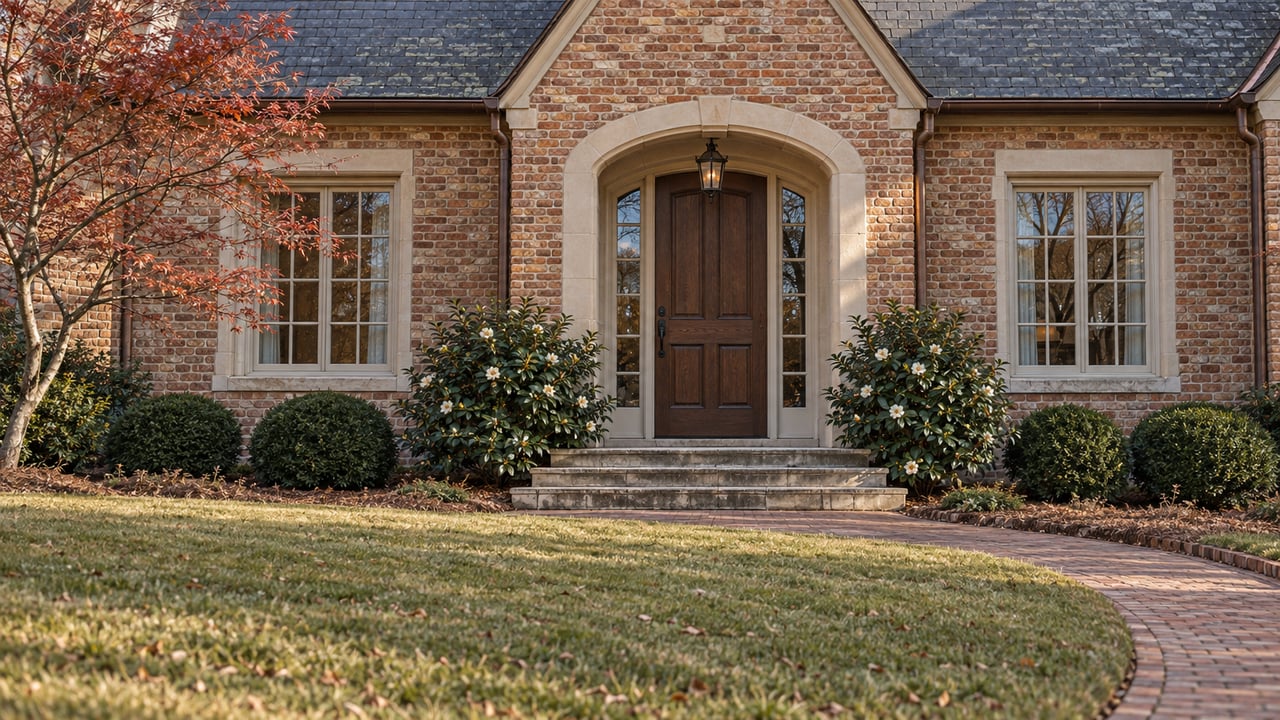
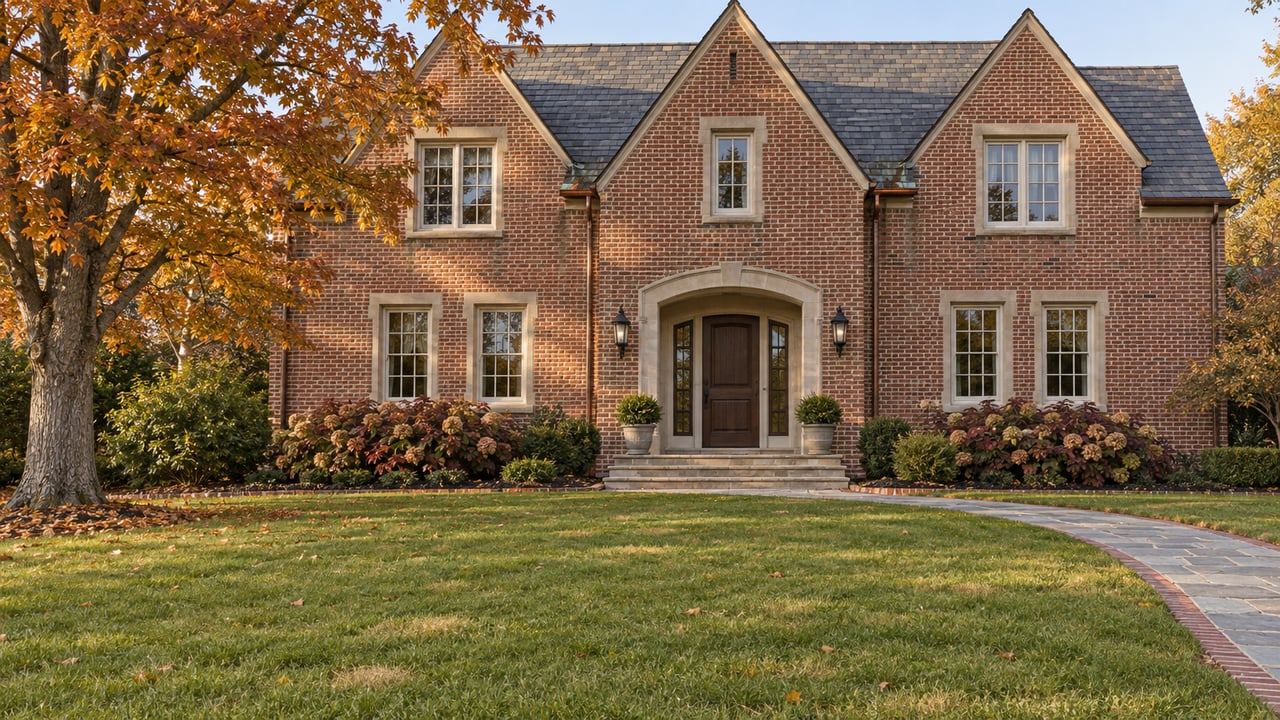
Ansley Park’s housing stock is one of its strongest draws, especially for buyers who value character and individuality. The district includes a broad mix of early twentieth-century styles and scales, rather than a repetitive streetscape.
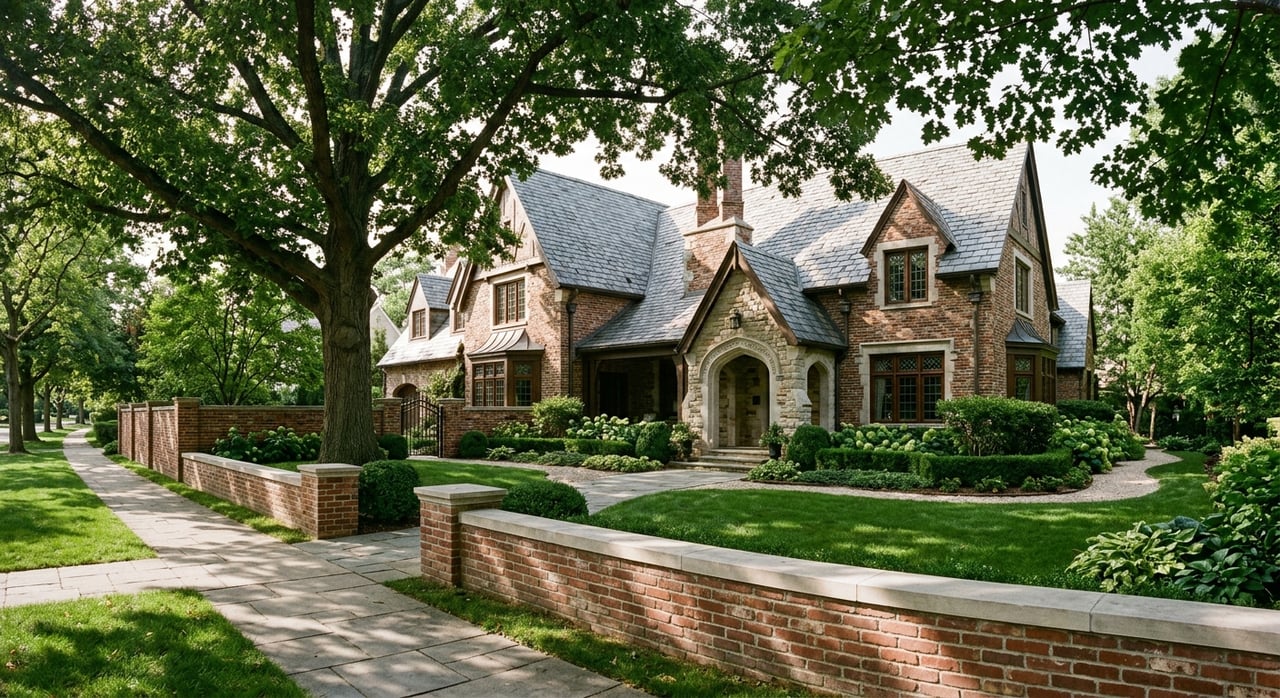
National Register documentation identifies Colonial, Federal, Neoclassical, Italian Renaissance, Baroque, Queen Anne, Tudor, late Victorian cottages, Prairie School houses, and Craftsman bungalows within the district. Apartment buildings in and around the area also reflect styles designed to complement the neighborhood’s domestic character.
That variety changes from street to street. Larger homes and apartment buildings tend to appear on primary streets and major intersections, while smaller houses line secondary and tertiary streets.
Park-Facing Homes Have a Distinct Presence
In a neighborhood built around internal green space, homes near parks and landscaped streets often carry a special visual presence. Their relationship to open views, mature trees, and curved roads can shape both curb appeal and the feel of daily living.
For luxury buyers, that setting often matters as much as the house itself. The sense of arrival is different when architecture and landscape work together.
Renovation Is Part of Ansley Park’s Identity
Ansley Park is not a frozen historic district in spirit. It is a neighborhood where preservation and thoughtful renovation have long existed side by side.
The civic association’s Christopher Jones Historic Preservation Award recognizes preservation, reconstruction, rehabilitation, or restoration work on the front façade of homes built before 1974. The association’s preservation efforts also encourage residents to protect both the landscape and the individual identity of homes and apartments.
National Register documentation supports that pattern, noting that some older houses have been substantially remodeled without detracting from the district’s overall character. That makes Ansley Park especially relevant for buyers who appreciate history but also want updated living.
What Buyers Should Notice
If you are evaluating homes here, it helps to look beyond finishes alone. In Ansley Park, the relationship between original architecture, site placement, and renovation quality can significantly shape long-term appeal.
A well-executed update in this neighborhood usually respects the house’s proportions and streetscape presence. That balance is often a meaningful part of value.
The Rhythm Is Refined, But Not Removed
Ansley Park can feel calm and established, yet it is not isolated from city activity. That is part of the tradeoff that makes the neighborhood appealing to many intown buyers.
The same proximity to Piedmont Park that supports everyday recreation can also bring more street activity during major park events. The civic association notes that overflow parking from large events can affect neighborhood streets, which is why parking rules and signage remain active concerns.
For many buyers, this is less a drawback than a reality to understand clearly. You are choosing a neighborhood that blends residential character with direct access to one of Atlanta’s most active public spaces.
Why Ansley Park Continues to Stand Out
Many Atlanta neighborhoods offer beautiful homes. Fewer offer homes that are so tightly linked to landscape, walkability, and cultural convenience in the way Ansley Park does.
The best way to think about it may be this: Ansley Park behaves like a city neighborhood with park-suburb DNA. You can move through tree-lined streets, step into meaningful green space quickly, and still remain close to Midtown dining, arts, and transit.
If you are considering buying or selling in Ansley Park, understanding that relationship between home, setting, and daily rhythm is essential. For tailored guidance and discreet representation in Atlanta’s most distinctive neighborhoods, connect with Troy Stowe.
FAQs
What makes Ansley Park feel different from other intown Atlanta neighborhoods?
- Ansley Park was designed with curving streets and greenspaces threaded through the neighborhood, and National Register documentation notes that most homes are within a five- to ten-minute walk of green space.
How close is Ansley Park to Piedmont Park and the BeltLine?
- Ansley Park sits adjacent to Piedmont Park and near access points to the BeltLine’s Northeast Trail, including Piedmont Park North Woods, Westminster Drive, and Piedmont Avenue.
What is the housing style mix in Ansley Park?
- The neighborhood includes a wide range of architecture, including Colonial, Federal, Neoclassical, Italian Renaissance, Queen Anne, Tudor, Prairie School, Craftsman, and other early twentieth-century styles.
Is Ansley Park a good neighborhood for renovated historic homes?
- Ansley Park has a strong preservation culture, and official documentation notes that some older homes have been substantially remodeled without detracting from the district’s character.
What should buyers know about daily life near Piedmont Park in Ansley Park?
- Buyers should know that easy access to Piedmont Park supports walking, recreation, and outdoor routines, while major park events can also bring added parking pressure and street activity nearby.