If you are searching for a true equestrian or acreage estate in north Fulton, Milton stands apart. It offers a rare mix of privacy, land, and horse-friendly character that is increasingly hard to find close to metro Atlanta. If you want to buy with confidence, though, you need more than a beautiful gate and rolling pasture. You need to understand how Milton’s zoning, overlay rules, and long-term planning shape what you can actually do with a property. Let’s dive in.
Why Milton Stands Out
Milton has intentionally protected its rural and equestrian identity. The city describes horse farms, pastures, and barns as part of its character, and a 2024 farm census found more than 200 active horse farms across the city. That matters because it shows equestrian use is not an afterthought here. It is part of Milton’s public identity and planning framework.
The city has also preserved a lower-density land pattern than nearby north Fulton communities. Census QuickFacts lists Milton at 1,072.8 people per square mile, compared with 2,446.7 in Alpharetta and 2,675.9 in Johns Creek. In practical terms, that lower density helps explain why you are more likely to find meaningful acreage, separation from neighbors, and estate-scale settings in Milton.
What Buyers Should Verify First
Luxury acreage purchases in Milton should begin with zoning and entitlement review. A property may look ideal for horses, a future barn, or even a lot split, but appearances do not control what can be approved. The zoning district, lot history, and city rules do.
Milton’s Unified Development Code says AG-1 is intended for residential parcels, single-family subdivisions, agriculture, and closely related uses. The city has also said AG-1 is its most common zoning designation. For many buyers, that makes AG-1 central to the search.
AG-1 Lot Size Rules
For AG-1 property, the code snippet in the research report shows:
- 1-acre minimum lot area on paved roads
- 3-acre minimum lot area on unpaved roads
- 150 feet of lot width at the building line for most new plats
These are not minor details. They can shape whether a parcel supports your intended use today and whether it has any realistic future flexibility.
Variances Have Limits
One of the most important cautions for buyers is that Milton says variances cannot grant relief from minimum lot area or minimum lot frontage. That means if a parcel falls short on these basics, you should not assume a variance will solve the problem.
This is especially important if you are considering a purchase based on future plans. Whether you want to create an additional homesite, adjust boundaries, or pursue a more complex estate layout, the property needs to work within the city’s actual framework.
The Rural Milton Overlay Matters
Milton’s Rural Milton Overlay is a major reason the city feels different from other nearby markets. Its stated purpose is to preserve agrarian and equestrian character, rural viewsheds, harmony, and open space. That policy direction helps protect the setting many luxury acreage buyers are specifically trying to find.
For you as a buyer, the overlay is also a reminder that land use is not just about raw acreage. A parcel may be large, but zoning and plat history still govern what can happen next. If you are buying with a long view, this is where careful due diligence becomes essential.
Use Zoning Certification Early
Milton offers a zoning-certification process tied to the property address and tax parcel ID. That makes it a smart early step before you assume a parcel can support horses, accessory structures, or future changes.
This matters even more right now because the city is revisiting AG-1 rules for certain smaller parcels. According to the research report, Milton extended a moratorium in 2026 on new applications affecting some newly created AG-1 lots under three acres while it considers updates. If flexibility is part of your buying strategy, current city review timelines and policy changes deserve close attention.
Barns, Arenas, and Farm Structures
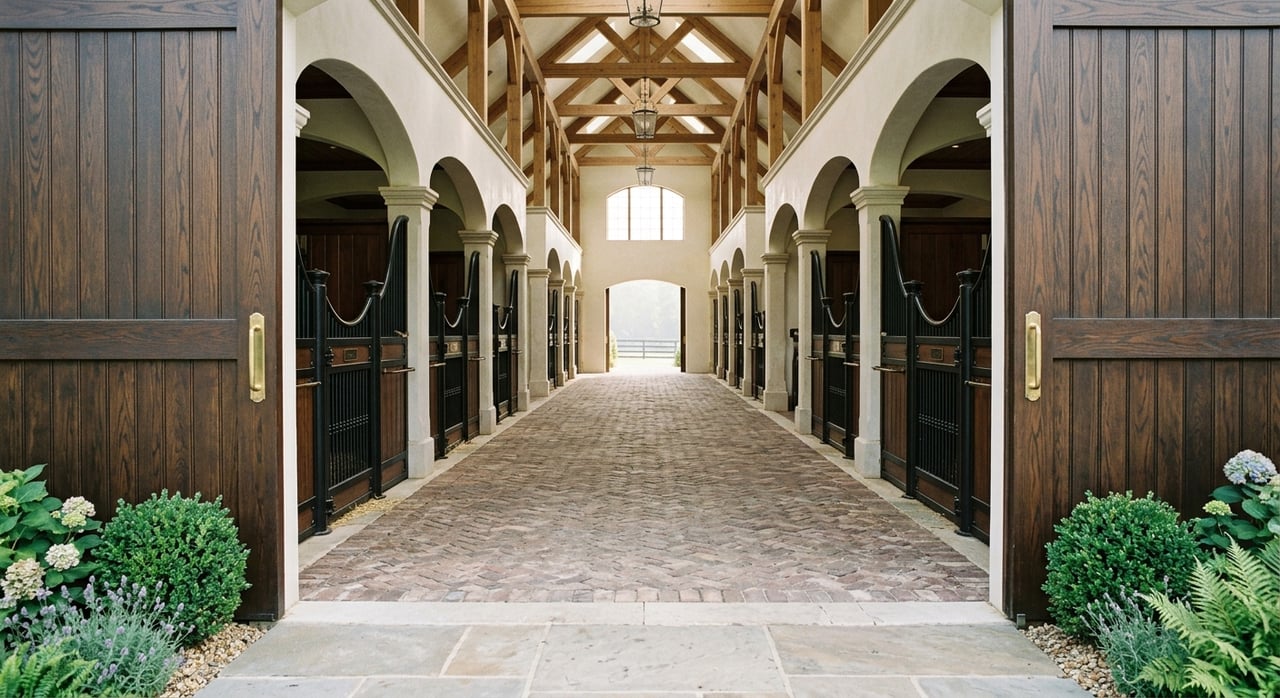
Milton is notably horse-friendly, but that does not mean every improvement is automatic. Buyers often focus on the home, then later discover that covered arenas, rebuilt barns, or other farm structures may require parcel-specific review.
The city’s large-lot incentives page defines a large lot as 3 acres or bigger. It also notes that officials have explored possible incentives such as administrative approval for covered riding arenas on properties of 10 or more acres, easier rebuilding of existing equestrian structures, more driveway access options, and pre-approved run-in shed plans.
Policy Direction vs. Guaranteed Approval
These ideas are best read as policy direction, not blanket approval. A recent city council action approved a use permit for a covered riding ring at Fortitude Farm, which is a useful reminder that larger equestrian improvements can still require case-by-case review.
The takeaway is simple. Milton supports equestrian land use as part of its identity, but major structures still need to be evaluated on the specific parcel.
Trail Access and Lifestyle Appeal
For many buyers, the appeal of Milton goes beyond the property lines. The city’s trail network is part of that lifestyle. Milton’s Trails Advisory Committee describes its mission as preserving rural nature through an all-encompassing trail network for walkers, cyclists, and horseback riders.
The city’s planning materials say resident trail access already exists at Bell Memorial Park, Birmingham Park, and Providence Park. That can be a meaningful quality-of-life advantage if access to outdoor recreation is part of your decision.
Planned Trails Are Not the Same as Existing Trails
There is an important nuance here. Milton says its Trails Blueprint is a location map for future trail corridors in site developments, but mapped segments still require separate budgeting, design, and public process steps before they are finalized or built.
In other words, nearby planned trails may add long-term appeal, but they are not the same as guaranteed existing access. When trail connectivity matters to your purchase, it is worth separating what exists today from what may come later.
How Milton Differs From Alpharetta and Johns Creek
If you are deciding among north Fulton luxury markets, Milton occupies a distinct niche. The city’s policies support privacy, large lots, rural viewsheds, and equestrian character as part of the product itself.
That differs from nearby Alpharetta and Johns Creek. Based on the planning documents in the research report, Alpharetta emphasizes downtown planning, redevelopment, activity centers, and stronger pedestrian, bicycle, and transit connections. Johns Creek’s planning materials focus on community areas, comprehensive planning, and transportation.
The comparison is straightforward. Milton is the north Fulton city where acreage and horse-property scale are central to local policy. Alpharetta and Johns Creek are more aligned with suburban growth management, redevelopment, and connected urban-suburban amenities.
What This Means for Resale
From a resale perspective, Milton’s strength is scarcity. Land-preservation tools, low-density patterns, and large-lot policies help create a market where acreage, privacy, and equestrian infrastructure are genuinely limited in supply.
That can support long-term desirability. At the same time, acreage estates usually appeal to a narrower buyer pool than standard suburban homes, which can mean less liquidity. For luxury buyers, that does not make Milton less compelling. It simply means your purchase should be evaluated through both lifestyle and asset-quality lenses.
A Smart Buying Checklist
Before you move forward on an equestrian or acreage estate in Milton, focus on the details that shape real usability:
- Confirm the zoning district and parcel history
- Verify minimum lot area, frontage, and width requirements
- Review whether the parcel is affected by the Rural Milton Overlay
- Ask whether horse use, barns, arenas, or accessory structures need additional approval
- Distinguish between existing trail access and future planned trail corridors
- Evaluate the property for both lifestyle fit and future resale depth
In a market like Milton, the best estates combine beauty with clarity. When the land, improvements, and entitlement path all align, you are buying more than a home. You are buying a durable lifestyle proposition in one of north Fulton’s most distinctive luxury settings.
If you are considering a purchase in Milton and want discreet, informed guidance on acreage estates, equestrian properties, or privately sited luxury homes, connect with Troy Stowe for tailored representation.
FAQs
What makes Milton different for acreage estate buyers?
- Milton’s planning framework emphasizes rural character, equestrian land use, open space, and low-density residential patterns, which helps make true acreage estates more common here than in nearby Alpharetta or Johns Creek.
What should buyers check before buying horse property in Milton?
- Buyers should verify zoning, lot size rules, frontage requirements, plat history, overlay restrictions, and whether intended improvements such as barns or arenas may need review or permits.
What are Milton AG-1 lot requirements?
- The research report states AG-1 has a 1-acre minimum lot area on paved roads, a 3-acre minimum lot area on unpaved roads, and 150 feet of lot width at the building line for most new plats.
Can you get a variance for lot size or frontage in Milton?
- No. According to Milton’s zoning guidance in the research report, variances cannot grant relief from minimum lot area or minimum lot frontage.
Are covered riding arenas automatically allowed in Milton?
- No. Milton has explored incentives for certain large lots, but major equestrian improvements may still require parcel-specific review or approvals.
Does nearby planned trail access guarantee future connectivity in Milton?
- No. Milton’s trail blueprint is aspirational, and mapped future segments still need separate budgeting, design, and public process steps before they are finalized or built.