Thinking about renovating an Ansley Park home? In a neighborhood where historic character is part of the value, spending more does not always mean getting more back. If you want to improve your home without pricing your renovation beyond what the market will support, the key is to focus on the updates buyers notice, the features the district helps protect, and the improvements that strengthen daily livability. Let’s dive in.
Why restraint matters in Ansley Park
Ansley Park is not just another intown neighborhood. It is a historic residential district developed mainly from 1904 to 1913 and largely completed by 1930, with curving streets, greenspaces, deep lots, and a wide mix of period architecture, as described in the National Register nomination.
That setting shapes what buyers value. In Ansley Park, the public-facing character of a home often carries real weight in resale appeal, especially when original scale, materials, and architectural details remain intact. In practical terms, that means a thoughtful renovation usually performs better than a dramatic reinvention.
The city’s adopted Ansley Park Neighborhood Plan and Conservation Study reinforces that point, with attention on design, historic resources, infrastructure, land use, and neighborhood character. For you as an owner, that makes planning just as important as construction.
What overcapitalizing looks like
Overcapitalizing happens when renovation spending outpaces what the home and market are likely to return. In Ansley Park, that risk often shows up when a project changes the house more than it improves the way it lives.
Common examples include:
- Large front-facing additions
- Oversized roofline changes
- Highly visible façade redesigns
- Removing repairable original windows, porches, or trim
- Installing generic replacement materials that weaken architectural authenticity
- Spending heavily on decorative luxury finishes that do little for comfort, durability, or resale
According to the National Park Service rehabilitation guidance for new additions, additions should preserve the building’s historic form, scale, envelope, and materials. That guidance matters in Ansley Park because visible changes to massing and proportion can quickly undermine the very character that supports the neighborhood premium.
Ansley Park buyers still expect discipline
Ansley Park commands a strong price premium, but that does not mean every renovation dollar is automatically rewarded. In February 2026, Redfin market data showed a median sale price of $1.534 million in Ansley Park, compared with $416,000 in Midtown Atlanta and $631,250 in Buckhead. Median sale price per square foot was also higher in Ansley Park at $412.
At the same time, buyers remained selective. Median days on market were 37, and the data came from only 13 sales that month, so monthly movement can be noisy. The takeaway is simple: Ansley Park supports value, but not every project earns full recovery.
Renovations that usually protect value
If your goal is smart resale positioning, the best spending is often the least flashy. National remodeling data continues to favor targeted updates, especially exterior improvements and practical refreshes.
According to Zonda’s 2025 Cost vs. Value report, many of the strongest ROI projects are exterior-focused, including garage door replacement, steel entry door replacement, manufactured stone veneer, fiber-cement siding replacement, and a minor kitchen remodel. Zonda notes that eight of the top ten projects are exterior replacements.
For pre-sale preparation, the NARI 2025 Remodeling Impact Report found that Realtors most often recommend:
- Painting the entire home
- Painting a single interior room
- Installing new roofing
In Ansley Park, the category of project matters more than copying a generic product choice. A historic home may benefit from roof repair, masonry work, porch restoration, or window rehabilitation rather than off-the-shelf replacement. The principle is to improve condition and presentation without erasing character.
Focus first on the home’s public face
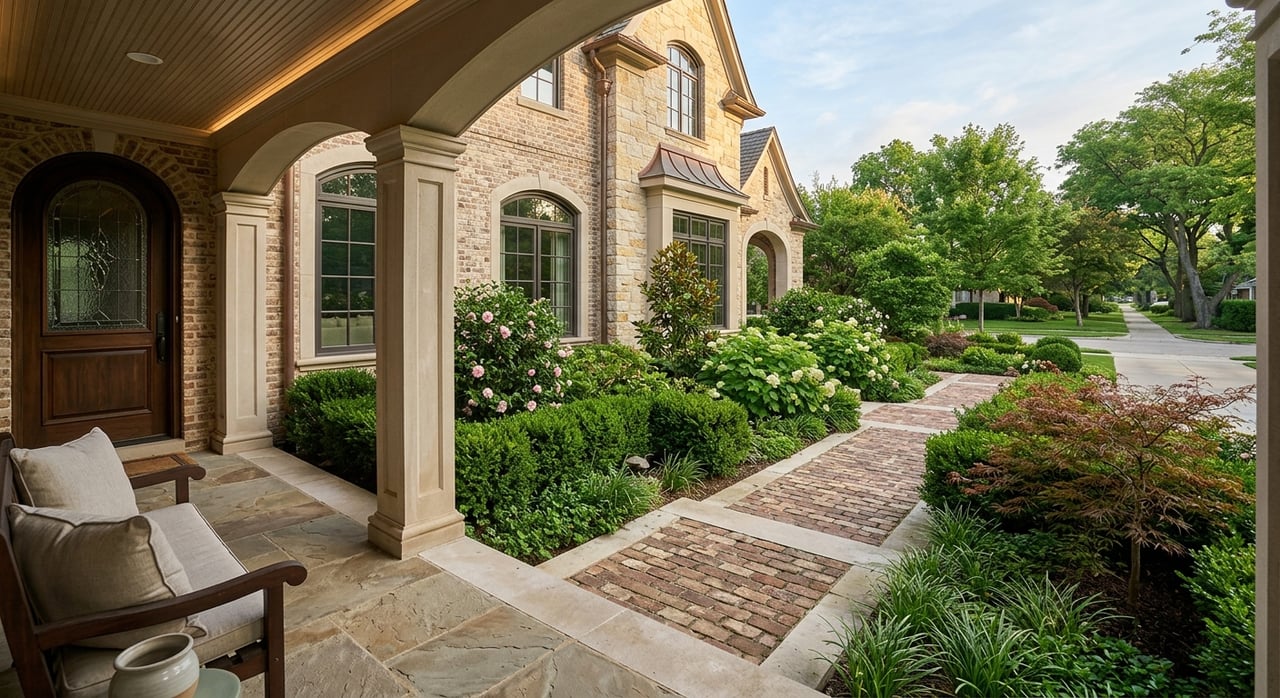
In a historic district, your highest-confidence spending often starts where the street sees the house. That includes the roof form, front porch, masonry or siding condition, trim, and windows.
This approach aligns with both the district’s historic pattern and the Secretary of the Interior’s Standards for Rehabilitation, which call for retaining historic character, keeping new work compatible, and avoiding the destruction of historic materials. If original windows are repairable, for example, the guidance favors repair over replacement.
That does not mean your home has to stay frozen in time. It means updates should support the architecture rather than compete with it.
Smart exterior priorities
If you are deciding where to spend first, these improvements are usually easier to defend:
- Roof repairs or replacement that respects the original form
- Porch repair and structural stabilization
- Masonry repointing or compatible siding repair
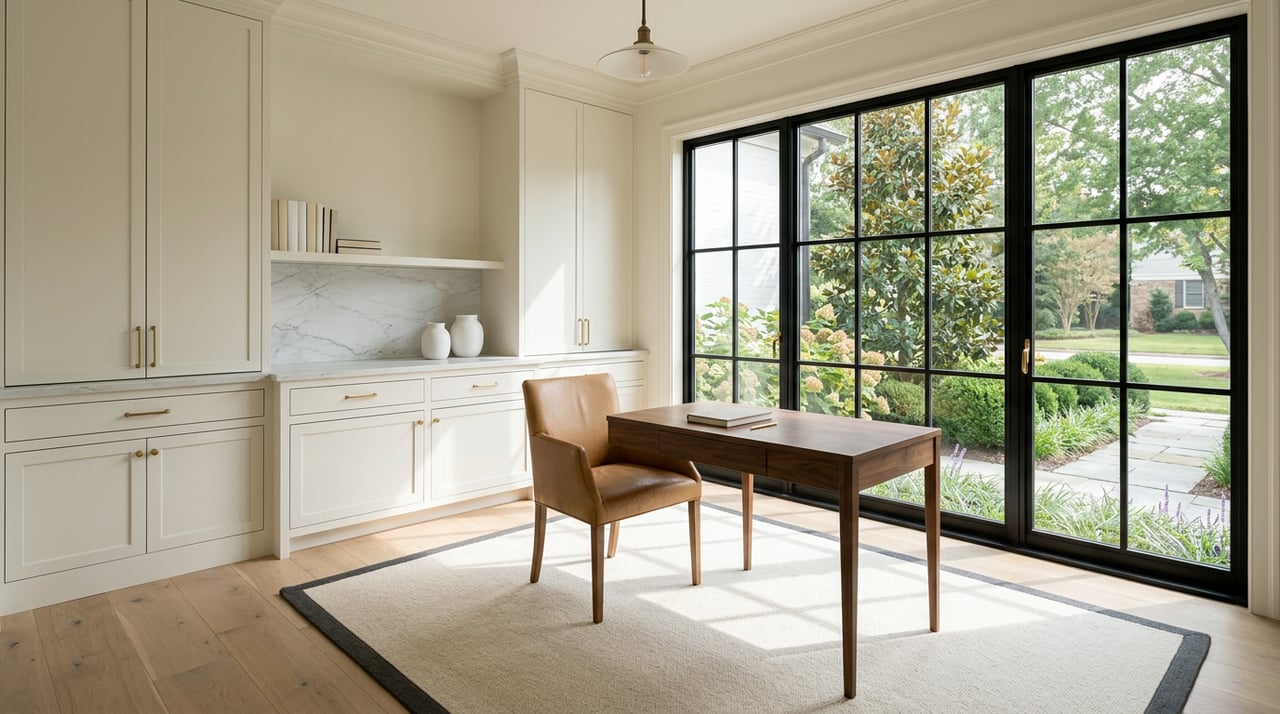
- Window restoration or closely matched replacement when necessary
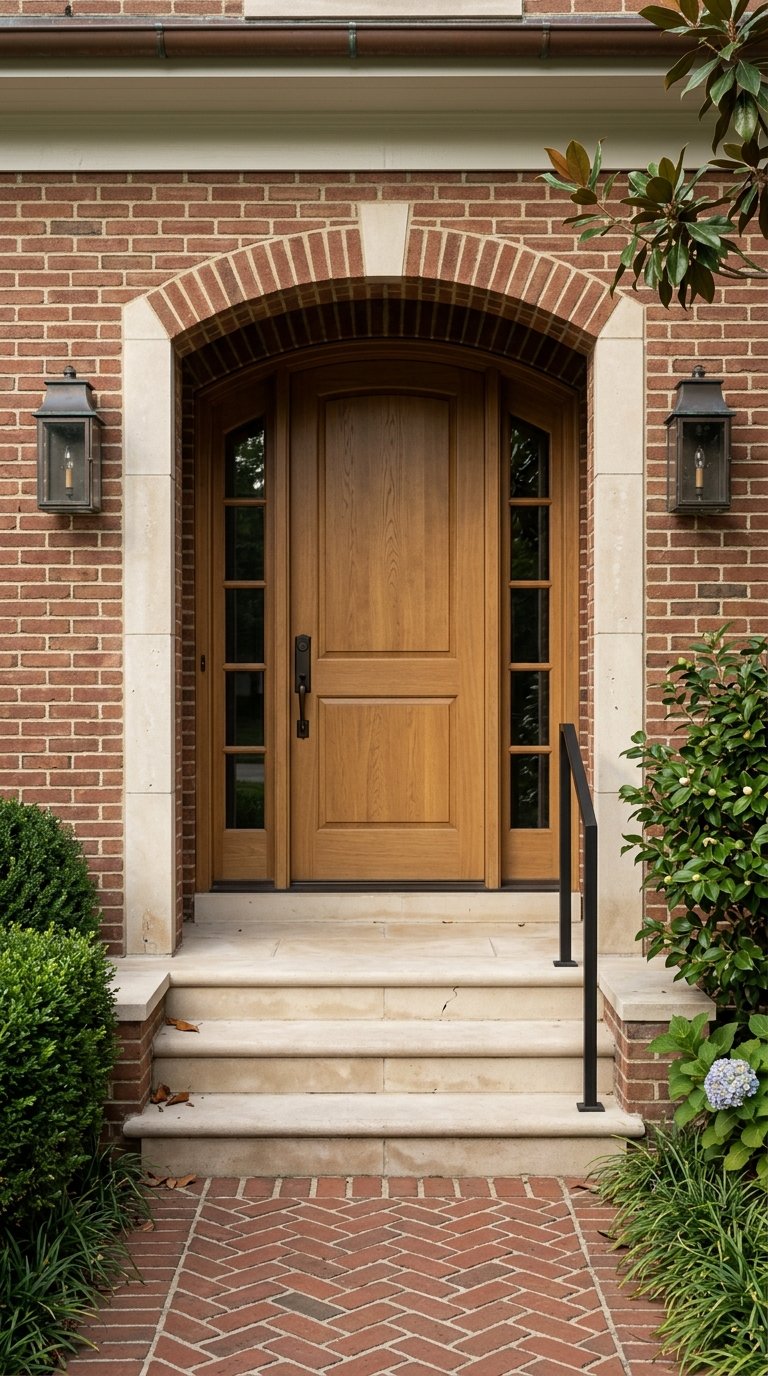
- Entry improvements that enhance function without changing character
- Landscape and drainage work that protects the house and streetscape
These projects may not feel dramatic, but they often strengthen the home’s condition, curb appeal, and resale story.
Upgrade systems before chasing showpiece finishes
Ansley Park buyers appreciate beauty, but they also expect a home to function well. In many cases, mechanical and weather-resilience upgrades are a better use of budget than purely cosmetic luxuries.
That is especially relevant because Redfin’s climate-risk indicators flag moderate flood risk, major wind risk, and major heat risk for the area. So when you are prioritizing spending, durable improvements like drainage, insulation, HVAC reliability, and roof quality can be easier to justify than expensive finishes that do not improve performance.
Functional upgrades worth considering
- HVAC updates for reliability and comfort
- Insulation improvements where appropriate
- Drainage corrections around the lot and foundation
- Roofing improvements focused on weather performance
- Electrical or plumbing updates tied to safety and usability
These are not always the upgrades that photograph best, but they can matter more during buyer diligence.
Be careful with additions
You may need more space, but in Ansley Park the amount and placement of new space matters. The National Park Service advises that additions should be considered after evaluating whether non-character-defining interior spaces can be adapted first, and that additions should preserve the building’s historic form and scale.
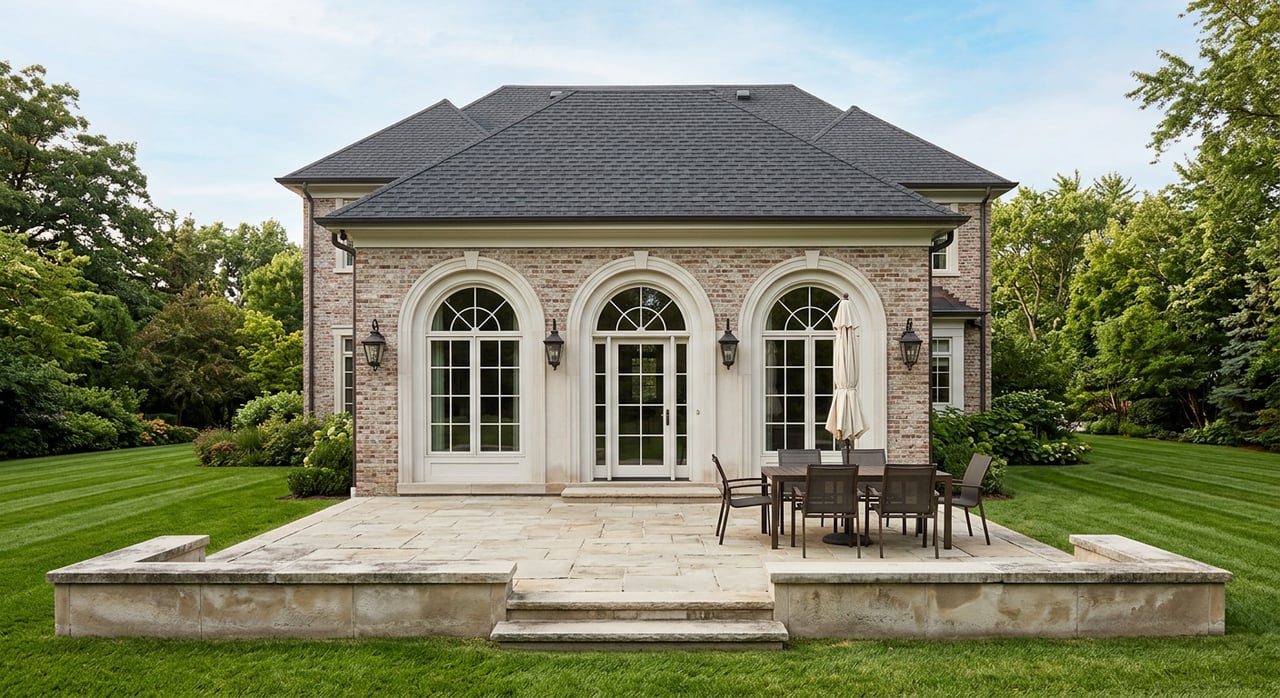
That is why rear or secondary-space additions are usually easier to support than major front-facing expansions. If the addition overwhelms the original structure, changes the roofline too aggressively, or dominates the streetscape, you may end up spending heavily while weakening resale appeal.
A better question to ask
Instead of asking, “How much more can we add?” ask, “How much new space can this house absorb without losing its proportion and identity?” That mindset tends to lead to better design decisions and better long-term value protection.
Know the rules before you start
A common point of confusion is the difference between National Register listing and local regulation. Atlanta’s historic preservation guidance explains that National Register listing by itself does not restrict a private owner’s use of a property, but local or state rules still may apply.
Before you finalize plans, the city says you should use the GIS property map to confirm whether the parcel is in a historic or landmark district. Depending on the scope of work, you may need a Certificate of Appropriateness, and the review could go through staff or the Urban Design Commission. The city also encourages owners to meet with the relevant neighborhood organization before a hearing.
For a high-value home, this planning step is not red tape to ignore. It is part of protecting both your timeline and your equity.
Tax credits may help, but only in certain cases
If your project qualifies, incentives may offset part of the cost. The Georgia Department of Community Affairs states that Georgia’s historic rehabilitation credit offers 25 percent of qualifying rehabilitation expenses, capped at $100,000 for a principal residence, subject to eligibility, standards, and the substantial rehabilitation test.
The same agency notes that the federal historic rehabilitation tax credit applies only to income-producing properties. DCA also announced that the owner-occupied historic-home credit tied to local historic districts takes effect in 2026, which may matter for qualifying properties in locally designated districts now or in the future.
Tax incentives can be meaningful, but they do not make every renovation financially wise. They work best when the underlying scope already supports the home’s architecture and likely market position.
A practical renovation strategy for Ansley Park
If you want to renovate without overcapitalizing, keep your plan disciplined and sequence the work carefully.
Start with these priorities
- Confirm designation and review path using the city’s preservation resources.
- Protect the street-facing character of the house first.
- Repair original features before replacing them.
- Invest in systems and weather resilience early.
- Limit additions to what the home can absorb without losing scale.
- Choose a minor, focused kitchen update over an oversized luxury remodel when resale is the goal.
- Improve paint, roofing, and overall condition before spending on trend-driven finishes.
In a neighborhood as established as Ansley Park, value often comes from judgment. The best renovations feel natural to the house, credible to the market, and respectful of what made the property desirable in the first place.
If you are weighing whether to renovate before selling, or trying to decide which improvements are most likely to support your asking price, a market-specific strategy matters. Troy Stowe can help you evaluate your home’s position, buyer expectations, and the renovation choices most likely to protect value in Ansley Park.
FAQs
What does overcapitalizing mean for an Ansley Park home renovation?
- It means spending more on renovations than the home’s likely resale value can reasonably support, especially when the work reduces historic character or adds cost without improving livability.
Do historic Ansley Park homes need special approval for renovation work?
- Possibly. The City of Atlanta says the property location and scope of work determine whether a Certificate of Appropriateness or additional review is needed.
Which Ansley Park renovations usually help resale value most?
- Exterior condition improvements, roof work, paint, porch and masonry repair, window restoration, and modest kitchen updates are generally easier to justify than major visible expansions or highly customized luxury finishes.
Should you replace original windows in a historic Ansley Park house?
- Not automatically. National Park Service guidance says historic windows should be repaired when possible, and if replacement is necessary, the new windows should closely match the originals.
Are additions a bad idea for Ansley Park properties?
- Not always, but they need restraint. Rear or secondary additions that respect the home’s scale and form are usually more defensible than large front-facing expansions.
Are there tax credits for renovating a historic home in Georgia?
- Yes, in some cases. Georgia offers a state historic rehabilitation credit for qualifying projects, while the federal credit is limited to income-producing properties.