If you are searching for luxury in metro Atlanta, Decatur may stand out for reasons that have less to do with gates and sprawling lots and more to do with lifestyle, architecture, and daily convenience. For many affluent buyers, that combination is exactly the point. You are not just buying square footage here. You are buying access, character, and a more walkable in-town way of life. Let’s dive in.
Why Decatur draws affluent buyers
Decatur offers a distinct value proposition in the Atlanta market. According to the City of Decatur, the city sits about six miles east of downtown Atlanta and includes three MARTA stations within city limits, including one in the downtown core. That level of connectivity matters if you want an in-town location with easier access to downtown, the airport, and major employment centers.
Just as important, Decatur is built for everyday use on foot. The city reports more than 60 miles of sidewalks and a Gold-Level Walk Friendly Community designation, which supports a lifestyle centered on walking to dining, retail, parks, and community events. For affluent buyers who value time, convenience, and a sense of place, that can feel more compelling than a larger home farther out.
The luxury premium is lifestyle-first
In Decatur, luxury often starts with how you live rather than how secluded your property feels. The downtown square and surrounding districts create an amenity base that is unusually strong for a compact city. The Square district alone includes more than 1.5 million square feet of commercial space, more than 45 restaurants, independent retail, and entertainment venues such as Eddie's Attic.
That appeal extends beyond downtown itself. The city identifies five business and retail districts: The Square, Old Depot District, West Ponce, Oakhurst Village, and East Decatur Station. For you as a buyer, that means the lifestyle premium is spread across multiple pockets instead of depending on a single commercial hub.
Decatur also pairs urban convenience with meaningful green space. The city parks system includes nearly 197 acres of parkland, along with aquatic features, dog parks, tennis courts, and recreation centers. Nearby institutions such as Emory University Hospital, the Carter Center, CDC headquarters, and the Task Force for Global Health add another layer of long-term appeal and professional demand.
What luxury means in Decatur
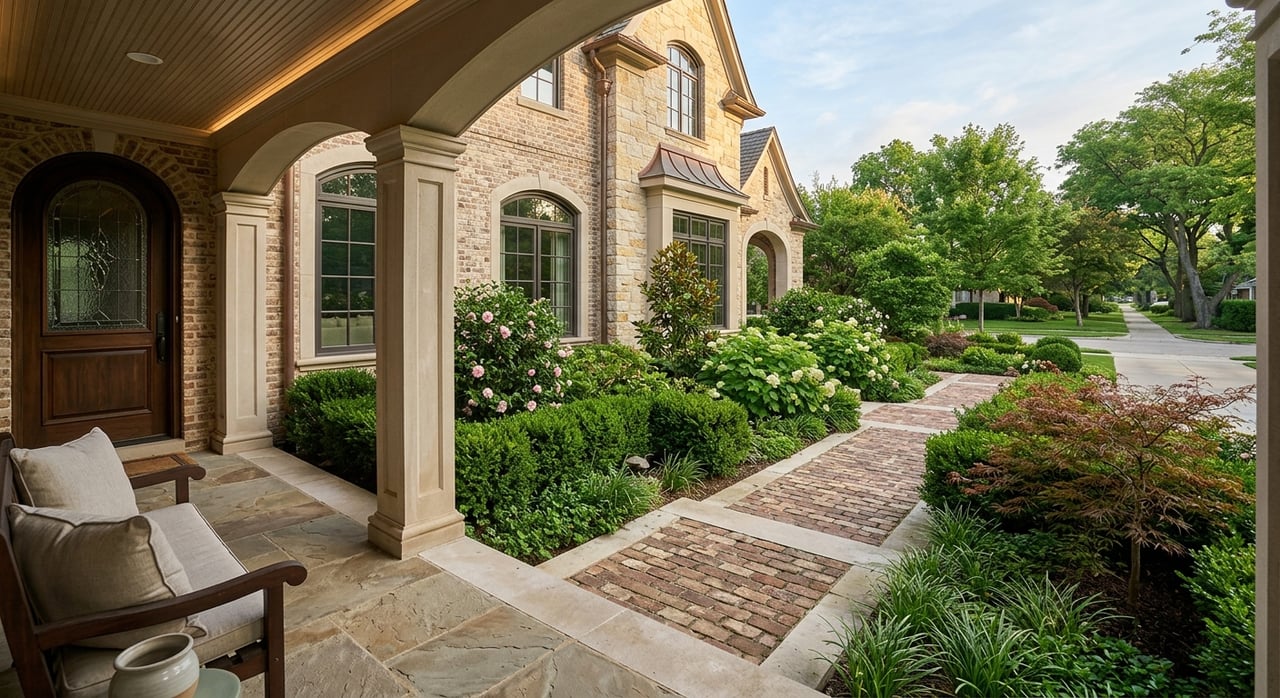
Luxury in Decatur does not always look like luxury in Buckhead or the northern suburbs. Here, buyers often place a premium on walkable blocks, preserved streetscapes, architectural integrity, and proximity to downtown amenities. In other words, the value story is often more nuanced than simply counting bedrooms or measuring lot size.
Current pricing supports the idea of a meaningful upper tier. Redfin reports that Decatur’s median sale price was $723,000 in February 2026, up 18.5% year over year. At the same time, the city’s luxury segment is not one-size-fits-all, so it helps to look at neighborhood examples rather than assume a single price point defines the whole market.
In the 30030 ZIP code, Realtor.com market data shows a March 2026 median listing price of $557,500, with a 99% sale-to-list ratio and a median 44 days on market. Within that same ZIP, higher-priced pockets include Oakhurst at $787,500, Adair Park at $750,000, Winnona Park Historic District at $642,200, and College Heights at $634,900. Those figures help illustrate that Decatur’s premium tier tends to cluster in select areas and property types.
Architecture shapes the buying decision
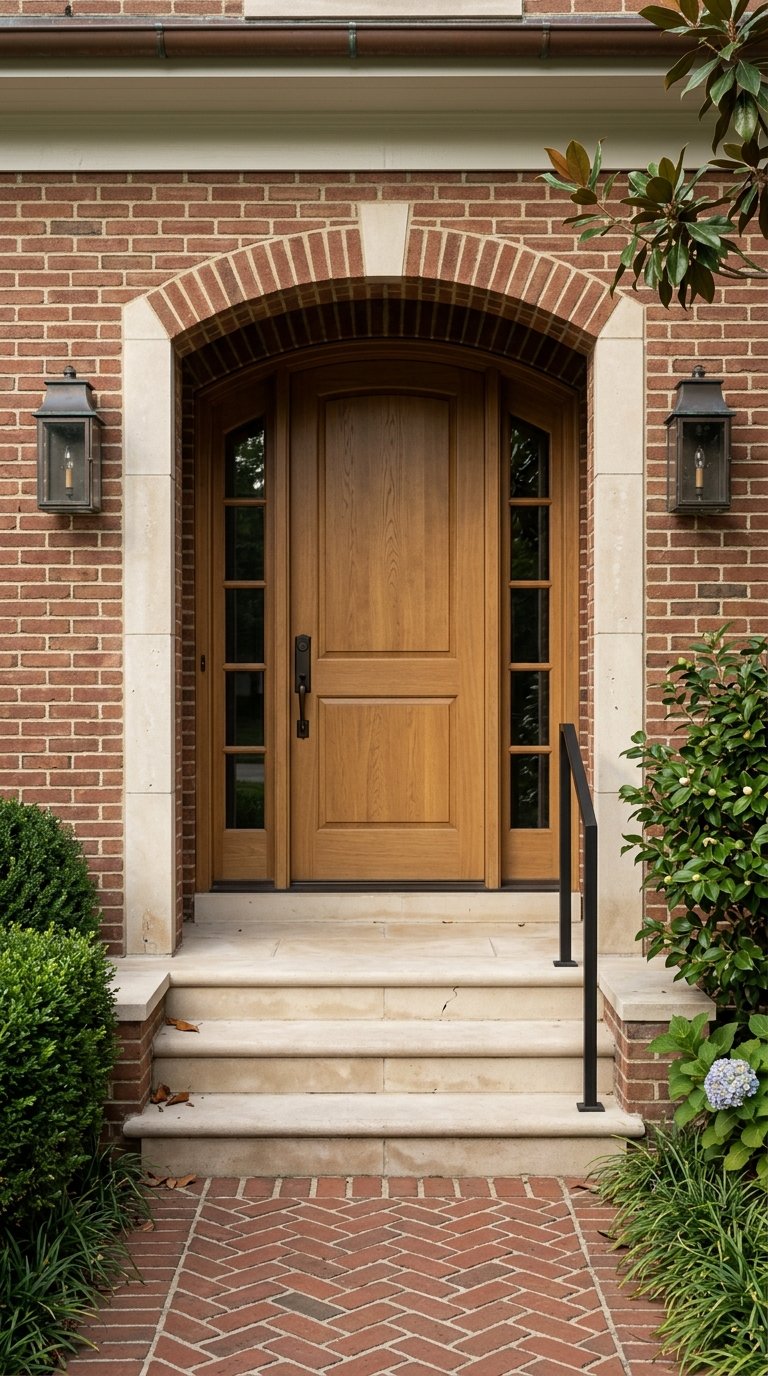
For affluent buyers, Decatur’s housing stock often feels more curated and distinctive than many newer suburban markets. The city’s preservation materials note that Decatur is one of metro Atlanta’s oldest cities, with many homes dating to the early 1900s and much of the city built out in the 1920s with Craftsman bungalows. That history still shapes the look and feel of the market today.
The City of Decatur’s historic district information shows that the city maintains five local historic districts: MAK, Clairemont Avenue, Ponce de Leon Court, Parkwood, and Old Decatur. These areas are subject to design review for certain exterior changes, which helps preserve neighborhood character over time. For many luxury buyers, that oversight is not a drawback. It is part of what protects the visual consistency and long-term appeal of the streetscape.
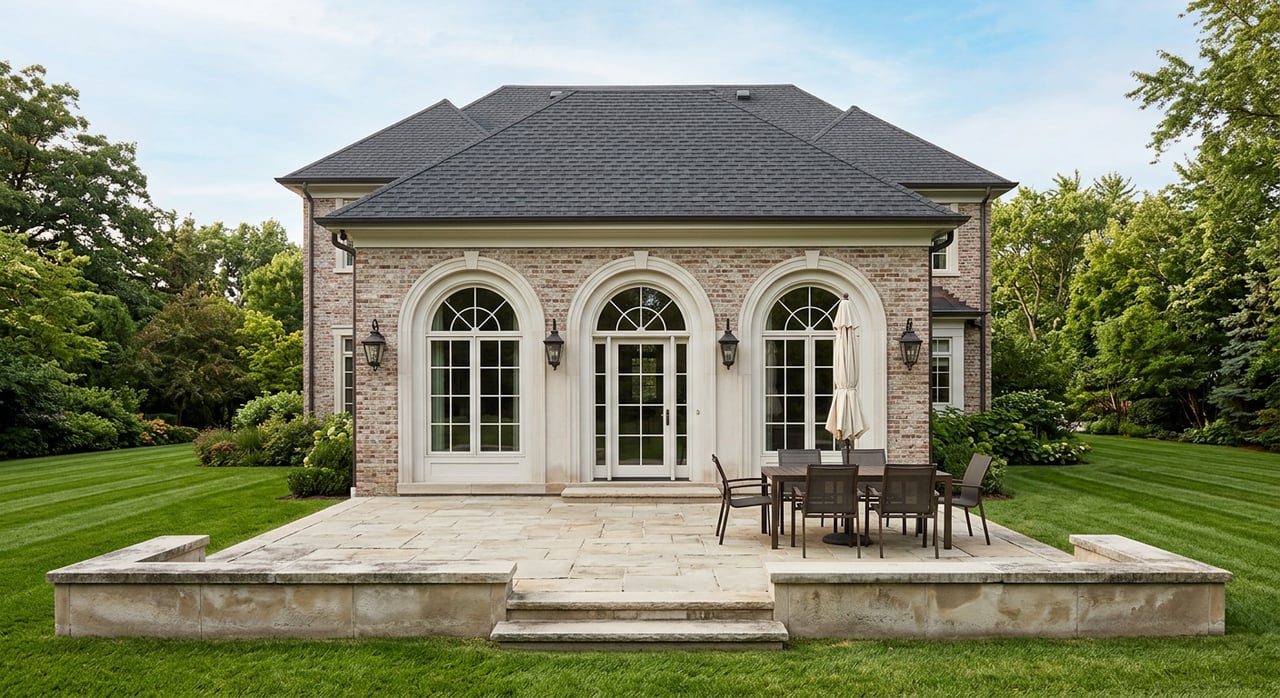
Architecturally, Decatur offers more variety than many buyers expect. The New Georgia Encyclopedia describes neighborhoods around downtown as a mix of Craftsman bungalows, Victorian homes, Tudor homes, and townhouses. That variety allows you to prioritize whichever version of luxury fits your lifestyle best, whether that is historic detail, low-maintenance living, or newer construction.
Historic homes and newer options coexist
One reason affluent buyers continue to look closely at Decatur is that the market is not limited to one housing style. If you are drawn to legacy architecture and established streetscapes, you will find preserved historic homes in and around the city’s older neighborhoods. If you prefer a more lock-and-leave setup or newer finishes, the housing mix is broader than many people assume.
The city notes that West Ponce has evolved with condos and apartments, while East Decatur Station and the College Avenue corridor have been reshaped by newer mixed-use residential development. That creates meaningful choice across historic single-family homes, townhomes, condos, and newer infill product. For luxury buyers, this flexibility matters because it supports different life stages, travel patterns, and maintenance preferences.
Why buyers choose Decatur over larger-lot suburbs
For some affluent buyers, the key question is simple: why choose Decatur instead of a more traditional north-metro suburb? The answer usually comes down to priorities. If your ideal home search centers on land, distance between neighbors, or a more estate-like setting, other submarkets may align better.
But if you want proximity, culture, walkability, and architectural character, Decatur offers a different kind of premium. You may give up lot size, yet gain the ability to reach restaurants, parks, retail, transit, and civic spaces with far less friction. For many buyers, that trade is not a compromise. It is the whole appeal.
Demand is supported by resident profile
Affluent buyers also pay attention to who lives in a market and what that says about long-term demand. Census QuickFacts estimate Decatur’s July 2024 population at 24,482, with a median household income of $139,397. The same source reports that 76.3% of adults age 25 and older hold at least a bachelor’s degree, while 63.9% of housing units are owner-occupied.
Taken together, those figures point to a relatively affluent, highly educated, owner-occupied community. For you as a buyer, that does not guarantee future performance, but it does help explain why Decatur continues to attract sustained interest at the upper end of the market.
Education remains part of the conversation
For buyers who consider school options as part of a move, Decatur is often discussed in that context as well. City Schools of Decatur is an independent public charter district in DeKalb County serving about 5,300 students within the city’s boundaries, from early childhood through high school. Decatur High School is also identified by the district as an IB World School serving about 1,900 students.
The district’s official highlights page reports a 2025 four-year graduation rate of 96.4% and state-leading SAT results. For many relocating or move-up buyers, those published metrics are part of the larger value picture, alongside housing character, commute access, and lifestyle.
What savvy luxury buyers notice first
When affluent buyers tour Decatur, they often focus on a few recurring themes:
- Walkability and access to downtown destinations, parks, and MARTA
- Architectural authenticity in historic and established areas
- Preservation standards that help maintain neighborhood character
- Housing variety, from historic homes to townhomes and newer mixed-use residences
- Market segmentation, where premium pricing is concentrated in specific pockets
- Everyday convenience near major institutions and in-town Atlanta access
These are not surface-level features. They shape how a home feels to live in and how a market holds its appeal over time.
What to keep in mind before you buy
If Decatur is on your shortlist, it helps to look beyond broad citywide averages. Luxury value can shift considerably by micro-location, property type, condition, and whether a home sits in a historic district. A charming bungalow near the core, a larger renovated home in a premium pocket, and a newer condo near downtown may all serve very different goals.
It is also wise to understand what historic district ownership can involve. In some areas, exterior changes may be subject to preservation review, as outlined by the city. If character and consistency matter to you, that framework may be part of the attraction, but it is still important to evaluate it early in your search.
If you are weighing whether Decatur fits your lifestyle and investment goals, a tailored strategy matters. Troy Stowe offers discreet, high-touch guidance for buyers who want clarity on Atlanta’s luxury submarkets and how each one aligns with the way they want to live.
FAQs
What do affluent buyers value most in Decatur luxury homes?
- Affluent buyers often prioritize walkability, architectural character, preserved streetscapes, access to dining and parks, and proximity to downtown Atlanta over larger lot sizes.
What does luxury pricing look like in Decatur?
- Citywide, Redfin reported a $723,000 median sale price in February 2026, while premium pockets in the 30030 ZIP included neighborhood medians such as Oakhurst at $787,500 and Adair Park at $750,000.
Are Decatur luxury homes mostly historic properties?
- No. Decatur includes historic homes, townhouses, condos, and newer infill or mixed-use residential options, giving buyers a wider range of luxury property types.
What should buyers know about Decatur historic districts?
- In Decatur’s local historic districts, certain exterior changes may be subject to design review, which is part of how the city helps preserve neighborhood character.
Why do buyers choose Decatur over other Atlanta-area suburbs?
- Many buyers choose Decatur for its compact in-town lifestyle, walkability, transit access, restaurant scene, parks, and architectural character rather than for larger lots or more traditional suburban layouts.
How do schools factor into Decatur home demand?
- City Schools of Decatur serves students within the city boundaries, and the district reports a 2025 four-year graduation rate of 96.4% along with state-leading SAT results, which often makes education part of the broader housing conversation.